15 Best Outdoor Things to Do in Calhoun County, Alabama (A Local's Guide for Families)
Thinking about moving to Calhoun County, Alabama? Or maybe you're looking for new ways to enjoy the outdoors with your family close to home?
One of the best things about living in Anniston, Oxford, Jacksonville, White Plains, Alexandria, and the surrounding East Alabama communities is that adventure is never far away. Whether you're looking for scenic mountain views, kid-friendly parks, biking trails, fishing spots, or peaceful places to unplug, Calhoun County offers something for every age.
As a local REALTOR®, I spend a lot of time introducing new residents to the lifestyle that comes with living here, not just the homes. Here are 15 of my favorite outdoor destinations that make Calhoun County such a great place to call home.
1. Take in the Views at Cheaha State Park
Just outside Calhoun County sits Cheaha State Park, home to Alabama's highest point. It's a must-visit for both locals and visitors.
Don't miss:
Bald Rock Boardwalk
Pulpit Rock
Cheaha Falls
Scenic overlooks
Family hiking trails
Camping and cabins
Best for: Families, photographers, hikers, and weekend adventures.
2. Bike the Chief Ladiga Trail
The Chief Ladiga Trail stretches more than 30 miles through Calhoun County before connecting with Georgia's Silver Comet Trail.
Perfect for:
Bike rides
Morning runs
Walking
Rollerblading
Family outings
It's one of the longest paved rail trails in the Southeast.
3. Explore Coldwater Mountain
Coldwater Mountain has become one of Alabama's premier outdoor destinations.
While nationally known for mountain biking, families also enjoy:
Hiking trails
Scenic overlooks
Wildlife watching
Nature photography
Beginner-friendly walking paths
4. Spend the Day at Choccolocco Park
More than a sports complex, Choccolocco Park has become a gathering place for families across East Alabama.
You'll find:
Walking trails
Beautiful green spaces
Playgrounds
Fishing pond
Sporting events
Seasonal festivals
5. Paddle or Fish at Oxford Lake
Oxford Lake offers a relaxing afternoon close to town.
Bring:
Kayaks
Paddleboards
Fishing poles
Picnic lunch
Camera for sunset
It's a peaceful escape without leaving the city
6. Visit Cane Creek Golf Course
Even if golf isn't your favorite hobby, Cane Creek offers beautiful scenery perfect for a quiet afternoon outdoors.
Enjoy:
Golf
Walking
Wildlife
Relaxing views
7. Explore Historic Fort McClellan
The former military installation has transformed into one of East Alabama's most unique outdoor areas.
Explore:
Walking trails
Historic sites
Open green space
Mountain views
Local wildlife
8. Relax Around Lake Yahou
Lake Yahou remains one of Calhoun County's hidden gems.
Perfect for:
Fishing
Kayaking
Bird watching
Picnics
Peaceful evenings
9. Enjoy Jacksonville's Community Parks
Jacksonville offers several parks that are perfect for young families.
Highlights include:
Modern playgrounds
Splash pads
Walking paths
Open fields
Community events
10. Discover the Talladega National Forest
Bordering portions of Calhoun County, the Talladega National Forest offers endless opportunities to explore.
You'll find:
Waterfalls
Creek crossings
Hiking trails
Wildlife
Incredible fall colors
It's one of Alabama's most underrated outdoor destinations.
11. Spend the Weekend at Weiss Lake
Less than an hour away, Weiss Lake is known as the "Crappie Capital of the World."
Activities include:
Boating
Fishing
Tubing
Swimming
Waterfront dining
Cabin rentals
Perfect for weekend family adventures.
12. Watch the Sunset from Bald Rock
If you've never experienced a sunset from Bald Rock, add it to your list.
It's one of the most photographed overlooks in Alabama—and for good reason.
Bring a blanket, pack a picnic, and enjoy one of the state's best views.
13. Explore Local Farmers Markets
Outdoor fun isn't limited to trails.
Seasonal farmers markets throughout Anniston, Oxford, and Jacksonville feature:
Fresh produce
Local honey
Handmade goods
Food trucks
Live music
Family-friendly events
Supporting local farmers is a great way to spend a Saturday morning.
14. Attend Outdoor Festivals and Community Events
Throughout the year, Calhoun County hosts:
Freedom Festival
Noble Street Festival
Christmas parades
Outdoor concerts
Art walks
Car shows
Holiday celebrations
These events are a wonderful way to experience the community spirit that makes East Alabama special.
15. Take a Scenic Sunday Drive Through East Alabama
Sometimes the best adventure is simply exploring.
Drive through:
White Plains
Alexandria
Jacksonville
Piedmont
Ohatchee
Scenic country roads
Rolling farmland
Mountain vistas
You'll quickly understand why so many people fall in love with this part of Alabama.











Why People Love Living in Calhoun County
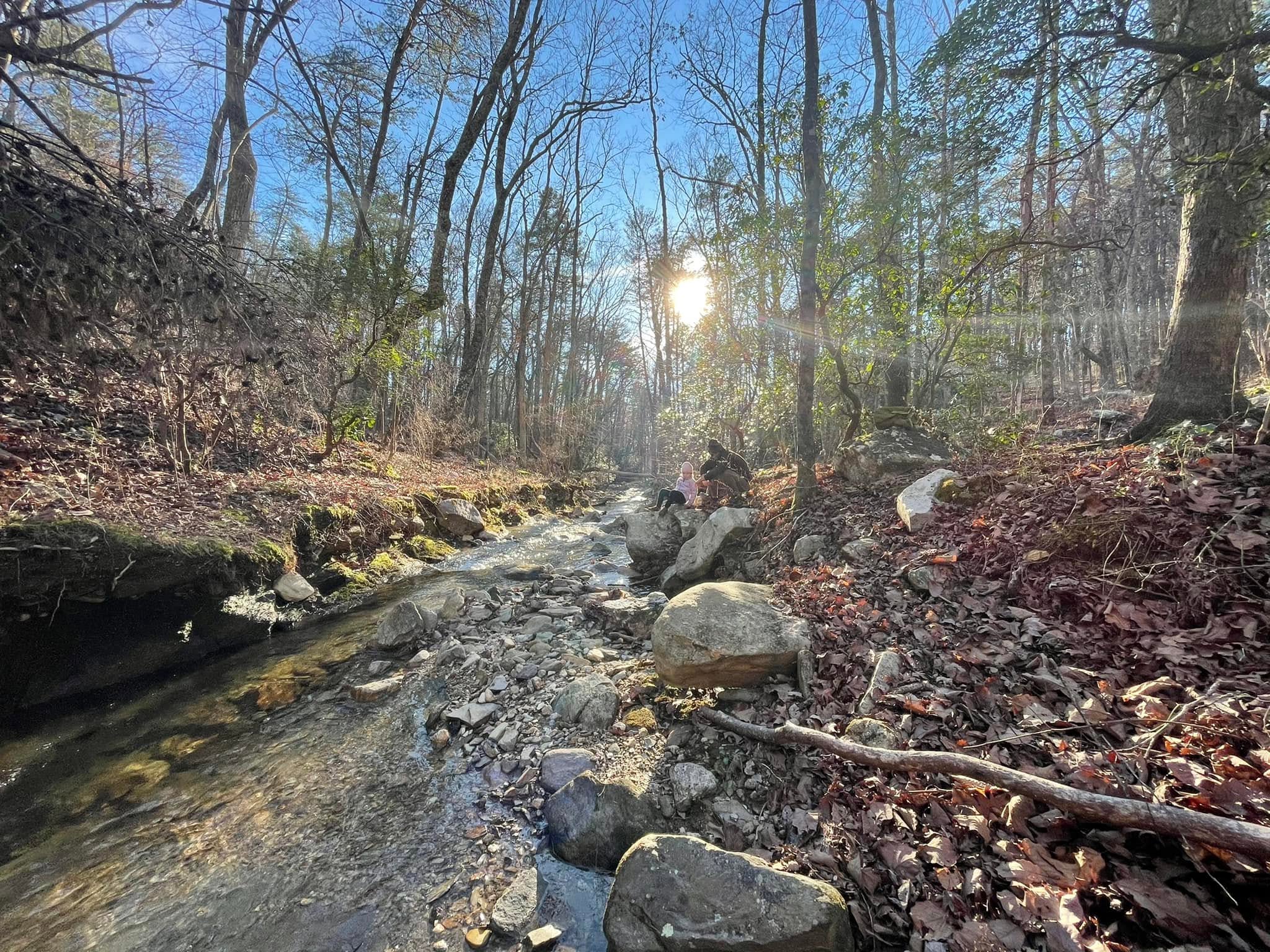
When people relocate to East Alabama, they're often surprised by how much outdoor recreation is available just minutes from home.
Here, you can:
Hike a mountain in the morning.
Fish in the afternoon.
Attend a local festival in the evening.
Enjoy affordable living without sacrificing adventure.
Whether you're raising a family, retiring, or simply looking for a slower pace of life, Calhoun County offers a lifestyle that's hard to find elsewhere.
Thinking About Moving to Calhoun County?
If you're searching for homes for sale in Anniston, Oxford, Jacksonville, Alexandria, White Plains, or anywhere in East Alabama, I'd love to help you find not just the right home—but the right community.
As a local REALTOR® specializing in luxury homes, land, waterfront properties, and relocation, I enjoy helping buyers discover everything that makes this area so special.
If you're ready to make your move—or just have questions about living in Calhoun County—let's connect.
Live Well with Locklear Living.

The Truth About Buying a Second Home
What most buyers don’t realize… until it’s too late
If you’ve ever dreamed about owning a second home—
a lake house, land, a getaway for your family, or even an investment property—you’re not alone.
It’s one of the most common conversations I have with clients.
But here’s the honest truth:
Buying a second home is very different from buying your primary residence.
And most people don’t realize how different until they’re already deep in the process.
Let’s walk through what you actually need to know—simply, clearly, and without the fluff.
1. First Question: Is a Second Home Right for You?
Before you ever start browsing properties, you need clarity on one thing:
How will you use the home?
- Personal use only
- Occasional rental
- Full investment property
This single decision affects:
- Your loan options
- Your taxes
- Your insurance
- Your long-term financial outcome
Get this wrong, and everything else becomes harder.
2. Financing Is More Strict (and More Expensive)
Second home loans come with different rules.
Here’s what to expect:
- Higher interest rates (typically +0.25%–0.75%)
- Larger down payments (10–20% is standard)
- Stricter qualifications
- Cash reserves required (2–6 months of payments)
And one of the biggest surprises:
👉 You cannot use future rental income to qualify.
You must qualify based on your current income alone.
3. The Real Cost of Ownership (Most People Miss This)
The mortgage is just the beginning.
Here’s what you’re actually paying each year:
- Insurance (often significantly higher)
- Property taxes
- HOA or community dues
- Utilities (even when vacant)
- Maintenance (1–2% of value annually)
- Landscaping, pest control, security
- Seasonal prep (winterizing, storm protection, etc.)
For many buyers, this adds up to:
👉 $25,000–$60,000+ per year beyond the mortgage
Simple gut check:
Could you comfortably carry this home for 12 months without rental income?
If yes—you’re in a strong position.
4. Renting It Out? Read This First
A lot of buyers say:
"We’ll just Airbnb it—it’ll pay for itself."
Sometimes that works. But often, reality looks different.
Here’s why:
Regulations have tightened
- Permits, restrictions, and even bans exist in many areas
- HOAs often limit or prohibit rentals
Income projections are often inflated
- Real numbers are usually 60–70% of advertised projections
Loan classification matters
- Rental intent may shift your loan to an investment property (higher cost)
The key question:
Are you trying to:
- Cover all costs?
- Offset some costs?
- Or just have flexibility?
Your strategy should match your goal.
5. Insurance Can Change Everything
This is one of the most overlooked—and most important—parts.
Depending on location, you may need:
- Specialized second home insurance
- Vacancy coverage
- Rental coverage
- Flood insurance (separate policy)
- Wind/hurricane insurance (in coastal areas)
In some cases, insurance alone can make—or break—the deal.
👉 Always get a real quote before making an offer.
6. Taxes: It Depends How You Use It
The IRS treats second homes differently based on usage.
There are three main scenarios:
- Personal Use Only
- Mortgage interest + property tax deductions
- Mixed Use (Personal + Rental)
- Limited deductions
- No full rental loss benefits
- Primarily Rental
- Full rental deductions
- Depreciation benefits
- More complex tax strategy
And one important rule:
👉 The 14-day rule determines how your property is classified.
This is where a good CPA becomes essential.
7. Ownership Matters More Than You Think
Most buyers don’t think about this until closing… but they should.
Especially if:
- The property is in another state
- You’re buying with someone else
Things to consider:
- Avoiding multi-state probate
- Using a trust for ownership
- Creating co-ownership agreements
A little planning here can save your family a lot later.
8. The Buying Process Is Different Too
Second home markets operate differently:
- More cash buyers
- Seasonal pricing shifts
- Stronger competition in peak times
- More detailed due diligence
And one of the biggest advantages you can have:
👉 Working with the right team
Local knowledge, lender strategy, and planning make all the difference.
Final Thoughts
The buyers who have the best second home experiences aren’t the ones who rushed into it…
They’re the ones who:
- Asked the right questions
- Built a smart plan
- And went in with clear expectations
Thinking About a Second Home?
Whether you're:
- Just starting to dream
- Actively researching
- Or getting serious about buying
I’d love to help you map out a strategy that actually makes sense for your life and your finances.
No pressure. Just a real conversation.
If you’re living in a high-cost metro area like Atlanta or Douglasville, you’ve likely felt the "squeeze." Between rising property taxes and home prices that feel out of reach, the dream of "the good life" can sometimes feel like a treadmill. Moving to Alabama is a simple solution when crossing that state border means more room in your budget, with similar commute times to work. Seems like a win-win for most wealth-building individuals.
Enter Anniston, Alabama—The Model City. Nestled in the foothills of the Appalachian Mountains, Anniston offers a lifestyle that isn’t just affordable; it’s an upgrade. Here is why savvy movers from Georgia are looking across the state line.
In Georgia's major hubs, a modest home can easily clear $375,000 to $420,000. In Anniston, the median home price is approximately $172,000 to $203,000 (depending on the neighborhood).
-
The Comparison: Your housing dollar goes roughly 30-40% further here than in Atlanta. You aren't just buying a house; you're buying acreage, historic charm, or a modern build for a fraction of the cost.
Alabama consistently ranks as one of the lowest states in the country for property taxes (second only to Hawaii).
-
Anniston Advantage: While Georgia homeowners might pay thousands annually, the median property tax bill in Anniston is remarkably low—often around $500 to $800 per year for an average home. Imagine what you could do with an extra $3,000 in your pocket every single year.
Say goodbye to the I-285 "Parking Lot." The average commute in Anniston is significantly lower, and transportation costs are roughly 11% cheaper than in Georgia’s major cities.
-
Local Hotspots: When you aren't working, you're minutes away from world-class mountain biking at Coldwater Mountain, hiking in the Talladega National Forest, or enjoying a brew at a historic spot like the Peerless Saloon downtown.
Ready to see what your money can buy?
The "Alabama the Beautiful" lifestyle is waiting for you. As a local expert, I specialize in helping out-of-state buyers find their perfect slice of the South. More areas might serve you better, such as Heflin, Wedowee, and Oxford, AL. Any area you choose, I am here to guide you step-by-step.

A Day on the Course for a Cause 💙🐾
The Calhoun County Chamber’s Annual Salute to Industry Golf Outing has long been one of our community’s most anticipated traditions, and this year’s event on September 5th was no exception. From the moment I stepped onto the course, the energy was contagious—golfers, sponsors, and neighbors all coming together to celebrate local industry while enjoying a day of friendly competition.
As the day unfolded, I had the opportunity to connect with golfers at our tee box and share a little extra fun with our signature KingKup game. This lighthearted challenge never fails to draw a crowd, and it once again became a highlight of the outing. Even more exciting, the generosity and enthusiasm of participants turned those playful moments into purpose: together, we raised $1,000 for the Calhoun County Humane Society.
Beyond the golf course, events like these remind me why community involvement is so meaningful. Philanthropy has always been close to my heart, and I believe true service goes beyond business. Whether I’m cheering on golfers, helping organize local fundraisers, or partnering with my church for outreach programs that provide resources and encouragement to families, each effort is another way to strengthen the place we all call home.
Looking back on the day, I left the course feeling deeply grateful—not just for the success of the fundraiser, but for the spirit of generosity that defines Calhoun County. The golf outing was more than an event; it was a celebration of connection, service, and the shared values that hold our community together.
Here’s to carrying that same spirit forward, and to finding more opportunities to give back in ways that truly make a difference.
Warmly,
Kayla Locklear
Locklear Living

Your Back-to-School Home Readiness Checklist
Hey friends! I have shared a few of my "back-to-school" amazon favorites in my weekly newsletter, but droppings some helpful tools to create order around the upcoming season here. As the new school year approaches, many families find themselves juggling supply lists, adjusted schedules, and the challenge of getting everyone back into a routine. Whether your kids are heading into kindergarten or high school, one thing is certain: your home plays a huge role in how smoothly the transition goes.
This simple checklist is designed to help you get your home—and your family—ready for the school year ahead. With just a few thoughtful tweaks, you can create a more functional, organized, and stress-free space that supports your daily routine.
1. Set Up a Dedicated Homework Zone
Designate a quiet, clutter-free area where kids can focus on schoolwork without distractions. It doesn’t have to be a full room—just a well-lit corner with a desk, comfy chair, and some basic supplies will do the trick. However, if you would like some inspiration, check out this article from Farmhouse Living here.
Dining rooms, underutilized nooks, or even part of a bedroom can work great with the right setup. Not only does this help with daily productivity, but for those considering selling, a home with clearly defined spaces for work or study is a major selling point for today’s buyers.
2. Create a Family Command Center
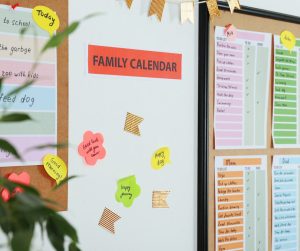
School means schedules—lots of them. A central spot for calendars, permission slips, lunch menus, and important dates can be a game-changer.
Whether you use a whiteboard, corkboard, or digital calendar that syncs across devices, keep it in a high-traffic area like the kitchen or near the entryway. Add labeled folders or bins for paperwork to keep the clutter under control and everything easily accessible. Here is the whiteboard option I use in my house! Also, if you're a tech-lover... here is a fun option for you in your home.
3. Organize the Drop Zone
Backpacks, lunchboxes, sports gear, and shoes tend to land in the same place every afternoon—so why not make that spot work for you?
Designate a “launch pad” near the door with hooks for bags, a shoe rack or basket, and a bench for putting on shoes. Even a small hallway can be transformed with wall hooks and a bit of creativity. Having a dedicated drop zone helps mornings run more smoothly and keeps the chaos from spreading through the house.
Check out this easily covertable entryway bench to use in your drop off zone!
4. Refresh Bedroom Routines
Getting back on a sleep schedule is a big part of back-to-school prep. Help your kids transition by creating calm, comfortable bedrooms.
Consider blackout curtains for earlier bedtimes, soft lighting for winding down, and simple changes like setting out clothes the night before. And if you’re staging your home to sell, remember: serene bedrooms aren’t just great for sleep—they’re a big draw for buyers, too.
5. Stock Up and Store Smartly
Streamline mornings by prepping your kitchen and supplies now. A stocked pantry and fridge make breakfast and lunch-packing much easier during the school week.
Set up a school supply station with labeled bins, drawers, or a rolling cart. Store seasonal items like jackets, umbrellas, and lunchboxes in easily reachable places. Organization not only saves time, but it can reduce that “morning scramble” feeling for everyone. If you haven't enrolled in my weekly newsletter, reach out because I share TONS of helpful, aesthetically pleasing products that keep my home running efficiently.
6. Evaluate How Well Your Home Supports Your Routine
Back-to-school season is also a great time to ask: Is your current home still meeting your family’s needs?
Maybe you need more bedrooms, a better layout for remote work and study, or to be closer to a specific school zone. If the answer is yes, we’d love to help you explore your options—whether that means selling, buying, or simply making the most of the space you have.

Final Thoughts
No home is perfect, but with a few small updates and systems in place, you can create a more functional and peaceful environment for your family. Preparing your space now means more time to enjoy the moments that matter most this school year.
If you're considering a move this fall, or just want advice on what changes might make your home more market-ready, we're always here to help.
As an Amazon Affiliate, anytime you use my links, I could earn commissions and help provide for my family!
Stay Cool & Save Money — Summer Energy Efficiency Tips for Alabama Homes
THOUGHTFULLY BROUGHT TO YOU BY LOCKLEAR LIVING
Summers in Alabama aren’t just hot—they’re humid, long, and often brutal on your energy bills. As the temperature rises, so does the cost of keeping your home cool and comfortable. But there’s good news: with a few smart strategies, you can beat the heat and keep your energy costs in check.
Here are some easy and effective ways to improve your home’s energy efficiency during the dog days of an Alabama summer:
1. Optimize Your HVAC System
Your air conditioning system is doing the heavy lifting all summer, so it needs to be in top shape.
-
Schedule a seasonal tune-up with a licensed HVAC technician to make sure everything’s running smoothly.
-
Change your air filters at least once a month—dirty filters make your system work harder and use more energy.
-
Seal and insulate ducts, especially in older homes, to prevent cool air from escaping into unconditioned spaces like attics or crawlspaces.
2. Use Smart Thermostat Settings
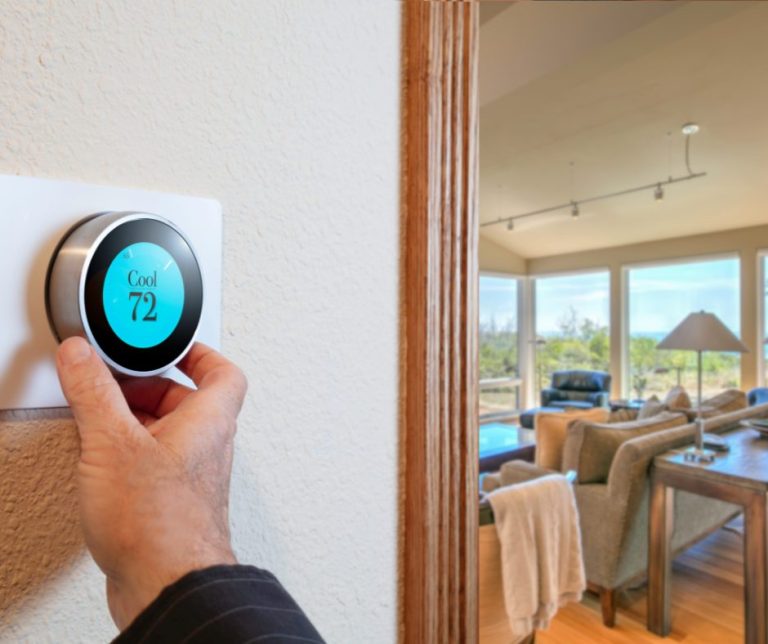
A programmable or smart thermostat can make a big difference.
-
Set it reasonably when you’re home and bump it up to 80°F when you’re away.
-
Use scheduling features to automatically adjust the temperature based on your daily routine.
-
Smart thermostats let you control your settings from your phone and track your energy use over time.
3. Block Out the Sun
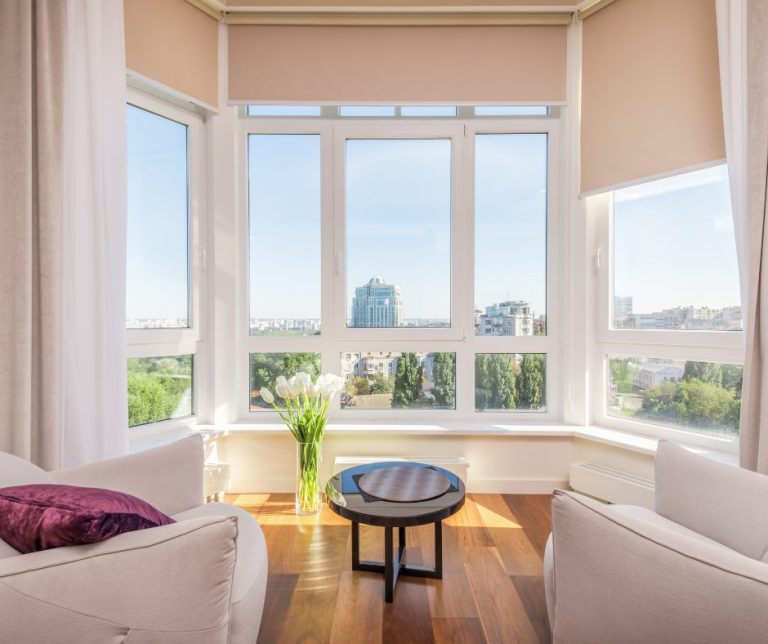
Sunlight streaming through your windows can heat your home like an oven. To prevent this, consider:
-
Keep blinds or curtains closed during the hottest parts of the day, especially on south- and west-facing windows.
-
Using thermal or blackout curtains to help insulate your windows.
-
Or, for extra protection, add solar screens or reflective window film to reduce heat gain without sacrificing natural light.
Click HERE to purchase my choice of blackout curtains we use in our home.
(I am an Amazon affiliate and will earn a commission when you choose to purchase this recommended item)
4. Insulate to Keep the Cool In
Good insulation doesn’t just help in winter—it’s essential in summer, too. Here are some of the main sources culprits of lost efficiency:
-
Check your attic insulation, which plays a huge role in keeping hot air out.
-
Weather-strip and caulk around windows and doors to stop cool air from leaking out and hot air from sneaking in.
-
Don’t forget crawl spaces and attic hatches, which are often overlooked but can be big sources of heat transfer.
5. Use Appliances Wisely
Appliances can generate a surprising amount of heat—especially when used during the hottest part of the day. Combat this by:
-
Run dishwashers, dryers, and washing machines at night when the temperature is lower.
-
Cook outside on the grill or use small appliances like microwaves or air fryers instead of heating up the whole kitchen with the oven.
-
Use ceiling fans in occupied rooms to help circulate cool air. Just remember: fans cool people, not rooms—so turn them off when you leave!
6. Upgrade to Energy-Efficient Features
Investing in energy-efficient upgrades can make a big difference over time.
-
Swap out old incandescent bulbs for LEDs, which give off less heat and use a fraction of the energy.
-
Consider ENERGY STAR-rated appliances if you’re replacing anything soon.
-
For a full-picture view, schedule a home energy audit—many Alabama utility companies offer them at low or no cost.
7. Look for Local Incentives
Did you know many local utilities in Alabama offer programs to help offset the cost of energy improvements? For example, Alabama Power and regional electric co-ops may offer rebates on smart thermostats, HVAC systems, or insulation upgrades. To get more information, click here. You might also qualify for state or federal tax credits if you make certain energy-efficient home improvements, like adding insulation or installing solar panels.
Final Thoughts
Energy efficiency doesn’t have to mean sacrificing comfort—especially in a state like Alabama, where staying cool is non-negotiable. A few small adjustments can add up to big savings on your summer energy bills.
Ready to beat the heat while keeping costs down? Start with just one of these tips and build from there. And if you’re looking for trusted local professionals for HVAC work, insulation, or energy audits, we’d be happy to connect you with some great resources!
Your Homebuying Guide
THOUGHTFULLY BROUGHT TO YOU BY LOCKLEAR LIVING

So, you’re thinking about buying a home—how exciting is that?! Whether you’re dreaming of a cozy townhouse, a downtown loft, or a backyard big enough for all your entertainment needs, there’s nothing quite like the thrill of house hunting and the moment you get those keys in hand.
But let’s be real: the homebuying process can feel a little overwhelming if you don’t know what to expect. That’s where we come in. At ERA King Real Estate, we’re here to break it down step by step—no fluff, no jargon, just real guidance to help you navigate the journey with confidence.
Let’s take a look at what it really takes to go from “just looking” to “welcome home.”
Step 1: Get Pre-Approved for a Mortgage
Before you fall in love with a home, it's important to understand what you can afford. Getting pre-approved for a mortgage gives you a clear picture of your budget and strengthens your offer when it’s time to make one.
A lender will review your credit, income, debts, and assets to determine how much they're willing to lend you. Be prepared to provide documentation like pay stubs, tax returns, and bank statements.
💡 Tip: Shop around and compare interest rates and loan options from multiple lenders.
Step 2: Partner with a Local Real Estate Agent
Your real estate agent is your guide, advocate, and expert throughout the entire process. An experienced agent will help you navigate listings, schedule showings, negotiate offers, and avoid costly mistakes.
In a market like Birmingham—where competition, pricing, and neighborhood dynamics vary—having someone local makes all the difference. We just happen to know a few good ones!
Step 3: Start House Hunting
Now the fun begins! Work with your agent to identify homes that meet your needs, lifestyle, and budget. Think beyond the number of bedrooms—consider school districts, commute times, neighborhood vibes, and nearby amenities.
Create a list of “must-haves” and “nice-to-haves” to help narrow your options. Be prepared to tour several homes, attend open houses, and stay open-minded.
Step 4: Make an Offer
When you find “the one,” your agent will help you craft a strong offer that reflects the current market and your goals. This includes the purchase price, contingencies (like financing or inspections), and a timeline for closing.
You'll also submit earnest money—a deposit that shows the seller you’re serious.
💡 Pro Tip: Trust your agent’s advice on negotiation strategy. They know how to make your offer stand out.
Step 5: Schedule a Home Inspection
Once your offer is accepted, it’s time to take a closer look under the hood. A professional home inspection checks the condition of the property and can uncover issues that may need repair or further negotiation.
Depending on the results, you may decide to move forward, ask for repairs or credits, or even walk away if major problems are discovered.
Step 6: Finalize Your Financing
With inspections done, your lender will order a home appraisal to ensure the property is worth what you're paying. Your loan will also go through underwriting—a deeper dive into your financial situation to fully approve your loan.
This is a great time to avoid major financial changes (like opening new credit cards or changing jobs) that could impact your loan approval.
Step 7: Close on Your New Home
Closing day is when everything becomes official. You’ll review and sign the final documents, pay your down payment and closing costs, and—drumroll please—get the keys to your new home!
Beforehand, you’ll do a final walkthrough to ensure the home is in the agreed-upon condition.
Step 8: Move In and Make It Yours
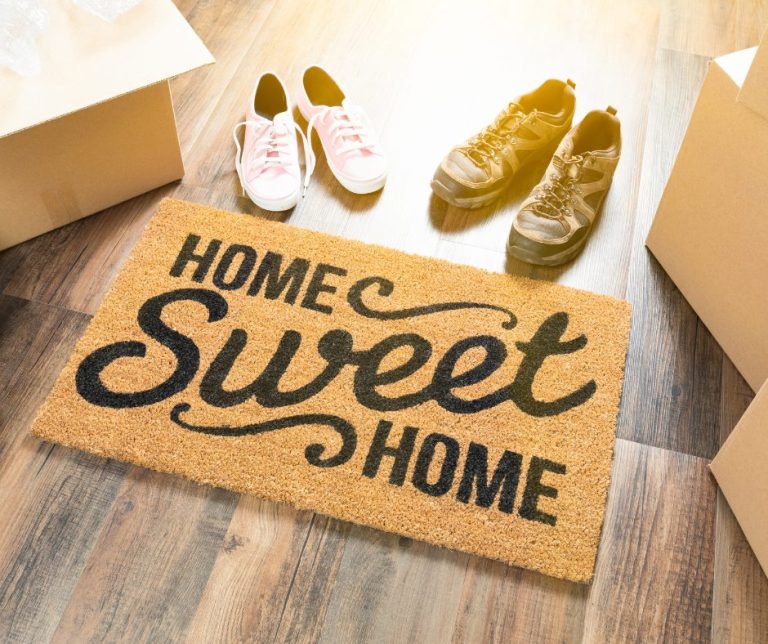
You did it! Now it’s time to move in, unpack, and start this exciting new chapter. Be sure to:
-
Set up utilities
-
Forward your mail
-
Change the locks
-
Introduce yourself to the neighbors
You might even want to explore your local neighborhood groups, attend community events, or sign up for our Neighborhood News updates to stay connected.
Final Thoughts
The homebuying process can feel like a whirlwind, but having the right team by your side makes all the difference. At ERA King Real Estate, we’re here to walk you through every step—from pre-approval to move-in day and beyond.
📍 If you're ready to buy a home in Central or North Alabama area or just want to explore your options, let’s talk. Contact us today and let one of our trusted agents guide you home.
“Should You Sell Your Home As-Is or Make Repairs First?”
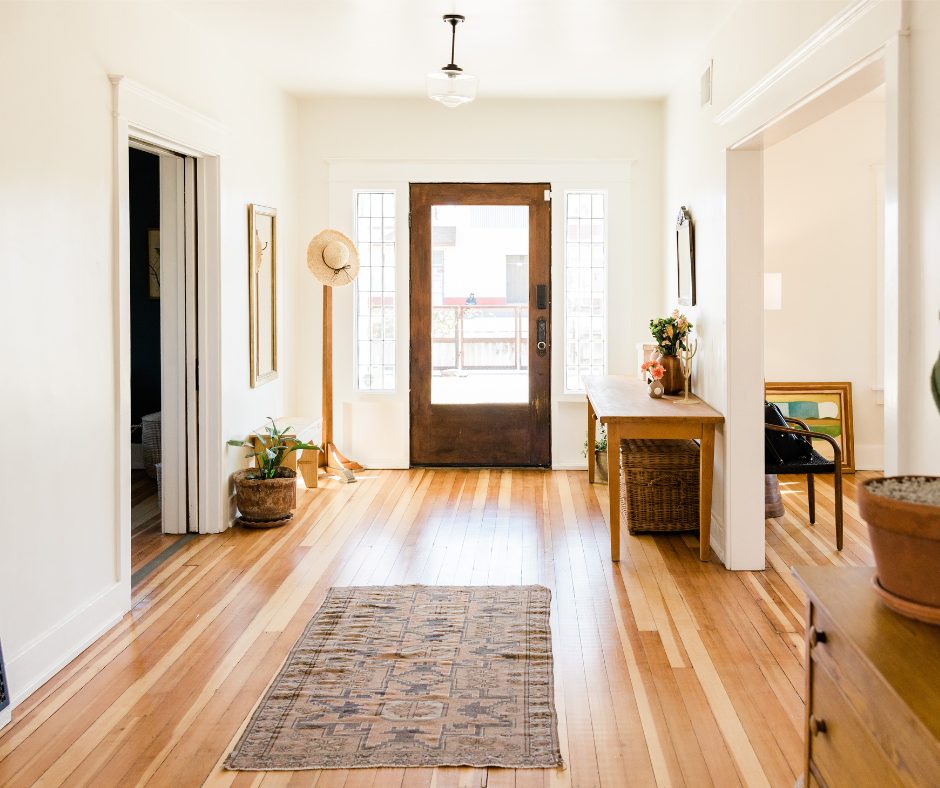
If you're getting ready to sell your home, you might be asking yourself an important question: should I sell it as-is, or make repairs and updates before listing? The answer isn’t always clear-cut. Your decision can affect everything from how quickly your home sells to how much money you walk away with at closing. To help you make the best choice, let’s explore the pros and cons of each approach.
What Does It Mean to Sell “As-Is”?
Selling a home “as-is” means putting it on the market in its current condition, without making any repairs or cosmetic improvements. You’re still legally obligated to disclose known issues, but you’re letting buyers know up front that what they see is what they get. This option is especially common for sellers dealing with inherited properties, those relocating quickly, or anyone who doesn’t want to take on the cost and stress of home repairs.
Pros of Selling As-Is
There are definite advantages to selling your home without making repairs:
-
Faster Timeline – You can list your home right away without waiting on contractors or projects to be completed.
-
Lower Upfront Costs – No money spent on updates, which can be a big relief if you're on a tight budget.
-
Appeals to Investors – Some buyers are specifically looking for fixer-uppers or investment properties.
-
Less Stress – You don’t have to manage renovations, oversee contractors, or worry about choosing finishes.
Selling as-is can be a simpler process, especially if you're more concerned with speed and convenience than getting top dollar.
Cons of Selling As-Is
That said, there are some drawbacks to be aware of.
Homes sold as-is typically receive lower offers because buyers factor in the cost of repairs. You may also have a smaller buyer pool—many traditional buyers, especially first-timers, are looking for move-in ready homes and may be hesitant about tackling a project. Finally, even if you're selling as-is, a buyer may still request an inspection. Major issues discovered during that process can lead to renegotiations or scare off buyers altogether.
Pros of Making Repairs and Updates
If your home is in reasonably good condition and you’re willing to invest a little time and money, making updates before selling can pay off. Buyers are drawn to clean, move-in-ready homes, and small improvements can make a big difference.
Some common updates that offer a solid return include:
-
Fresh interior paint in neutral tones
-
Landscaping or curb appeal enhancements
-
Updated light fixtures or hardware
-
Minor kitchen or bathroom improvements
-
Repairing obvious issues like leaky faucets or damaged trim
These kinds of updates help your home show better, stand out online, and give buyers more confidence in its condition. In many cases, that means stronger offers and a faster sale.
Of course, preparing your home for the market isn’t always easy.
Repairs and updates cost money—and not every upgrade adds value. If you over-improve beyond what buyers expect in your area, you may not get your money back. There’s also the time factor to consider. If you’re in a hurry to sell, waiting on contractors or managing projects might not be realistic. Even small jobs can turn into big headaches if you're juggling other priorities or have already moved out.
How to Decide What’s Best for You
There’s no right or wrong answer—only what’s right for your unique situation. Here are a few things to consider when making your decision:
-
Timeline: Are you in a hurry to sell, or do you have time to prep your home properly?
-
Budget: Can you comfortably afford updates, or would spending more now create stress?
-
Condition: Does your home need minor touch-ups or major repairs?
-
Market conditions: In a hot market, even as-is homes may sell quickly. In a slower market, updates could help your home stand out.
Ultimately, the best way to decide is by talking to a local real estate expert who understands your neighborhood, your buyer pool, and the current market conditions. We can help you weigh your options, estimate your home's value in different conditions, and guide you toward the strategy that works best for your goals.
Final Thoughts
Whether you sell your home as-is or choose to make repairs, the key is making an informed decision that aligns with your timeline, finances, and desired outcome. Both paths can lead to a successful sale—it’s just a matter of choosing the one that works best for you.
Not sure where to start? Let’s talk. We’ll walk through your options and help you create a personalized plan to get your home sold smoothly and profitably. Reach out today for a free, no-pressure consultation.
LET'S GET IN TOUCH


Kayla Locklear | Derek Locklear

256.375.3348 | 256.453.9897
Kayla@LocklearLiving.com | Derek@LocklearLiving.com